The word “alcohol” often flashes on the sides of deodorant containers, but did you know that not all alcohols are the same? Some can dry and irritate the skin, while others care for and protect it. Read on to learn why ethyl alcohol is worth avoiding in deodorant and why cetearyl alcohol can be a very useful ingredient in deodorants.
Why is alcohol used in deodorants?
Alcohol (most commonly ethanol, or ethyl alcohol) is used as a raw material in deodorants for many reasons. First, ethanol acts as a solvent that helps fragrances and other ingredients mix. In addition, ethanol evaporates quickly, which makes the deodorant feel fresh and dry immediately after application. Ethanol also has antibacterial properties, with which it reduces the bacteria on the skin that cause sweat odour.
But this is by no means the whole truth: ethanol has several adverse effects that should not be ignored.
What are the downsides of ethanol (ethyl alcohol) in deodorants?
Ethanol is a strongly drying substance. It can weaken the skin’s natural protective layer, the so-called hydrolipid film, which may cause skin problems. Long-term or repeated use of a deodorant containing ethanol can therefore lead to sensitisation, flaking or dryness of the underarm skin. Many also experience redness, itching or stinging – especially when an ethanol-based deodorant is applied to freshly shaved skin.
Deodorants containing ethanol can also cause considerable irritation for people with sensitive skin or, for example, atopic eczema. According to the American Academy of Dermatology Association, products containing ethanol can be especially unsuitable for skin prone to eczema or other inflammatory skin diseases.
How do the different alcohols in deodorants differ?
Not all substances named as alcohol on deodorant packaging are harmful to the skin, however. For example cetearyl alcohol is a completely different ingredient from ethanol. Cetearyl alcohol is one of the so-called fatty alcohols and is typically made from coconut or palm plants. In cosmetics this ingredient acts as an emulsifier and thickener, and helps give the deodorant its right consistency.
Unlike ethanol, cetearyl alcohol does not dry the skin; on the contrary, it can have skin-caring effects. It forms a protective film on the skin that prevents moisture from evaporating and can thus even calm the skin and support its protective layer.
There are therefore significant differences between ethanol (ethyl alcohol) and cetearyl alcohol, even though both carry the word “alcohol” in their name. Ethanol is a short-chain, volatile liquid that can dry and irritate the skin. Cetearyl alcohol, by contrast, is a long-chain, wax-like fatty alcohol that is skin-friendly and can even improve a deodorant’s moisturising quality. The effects of these two ingredients on the skin are almost opposite!
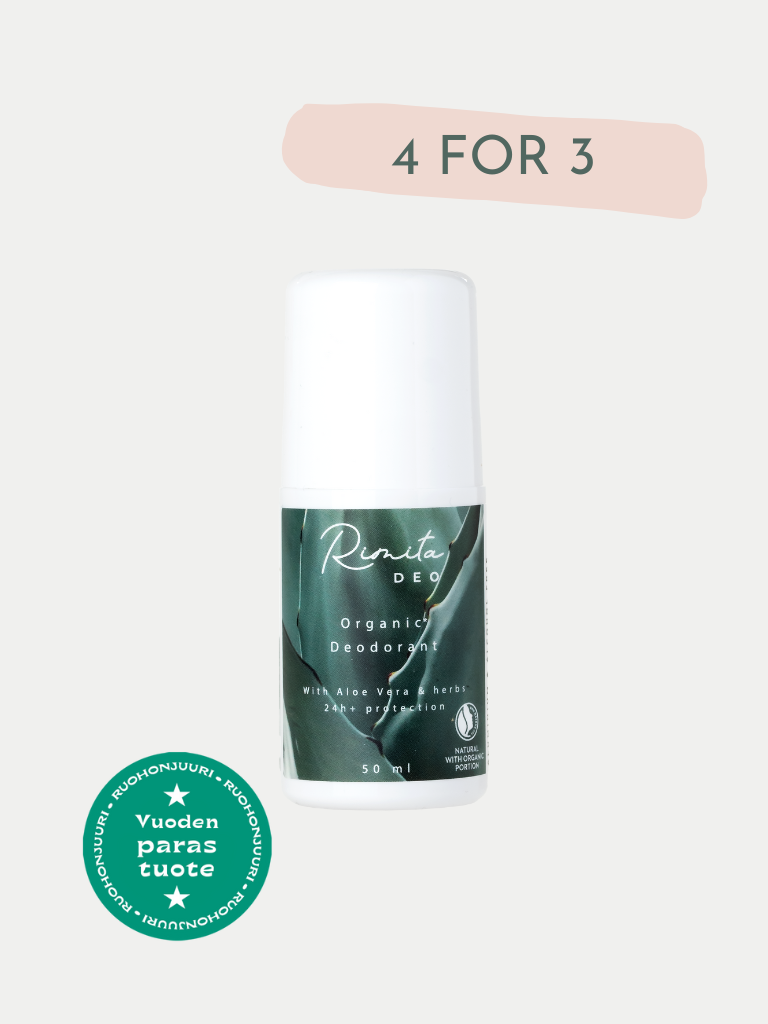
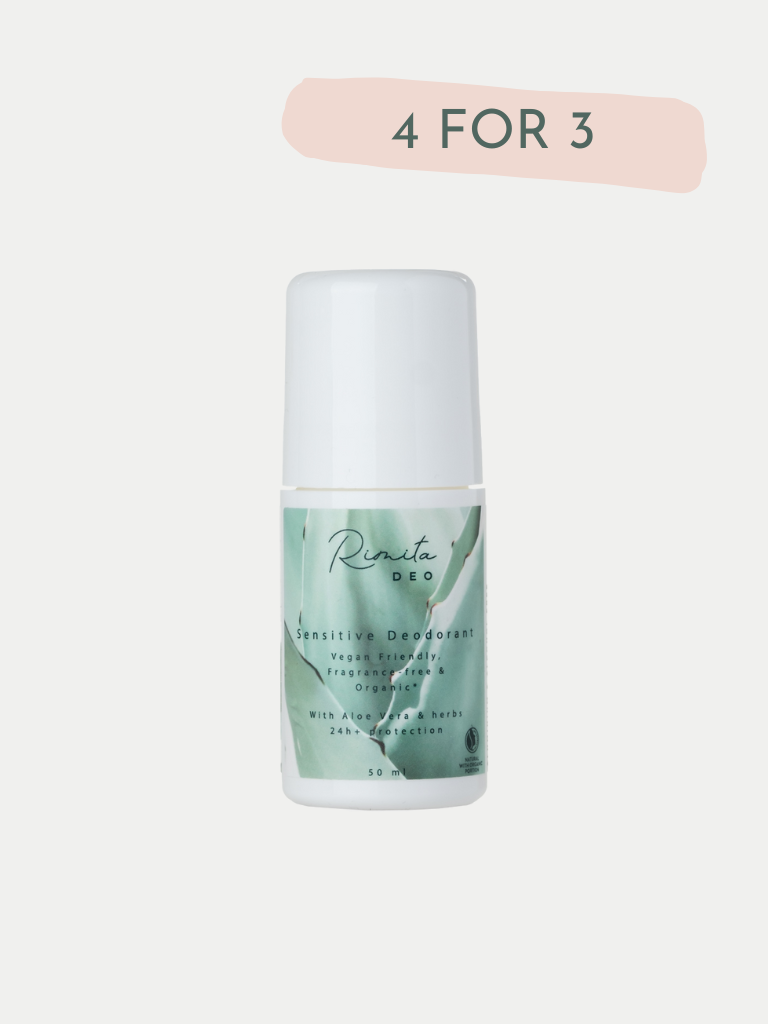
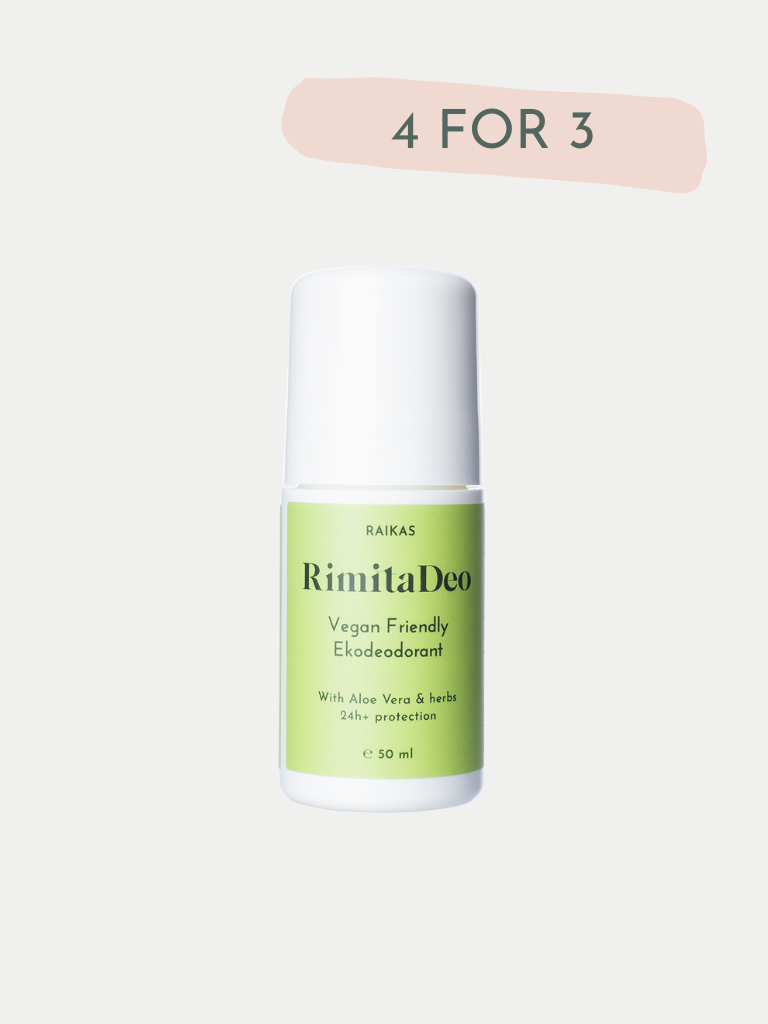
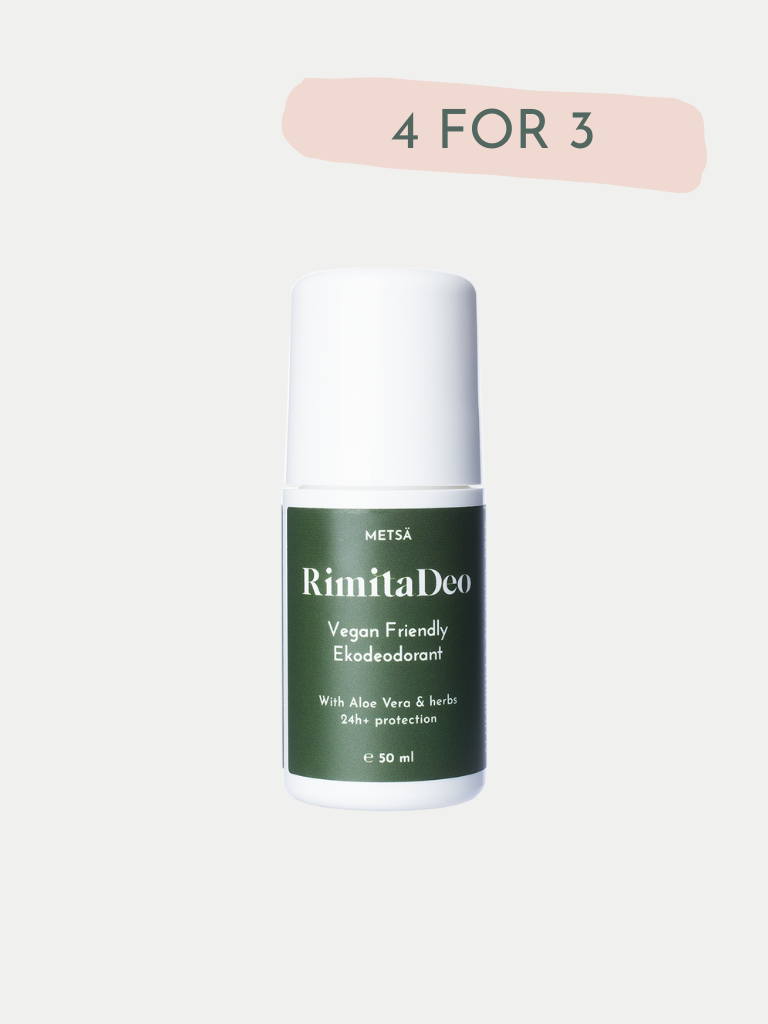
Ethanol-free RimitaDeo eco deodorants suit sensitive underarms too
The skin of the underarms is thin and sensitive, and for that reason alone you should be careful when choosing a deodorant. Underarm skin is constantly strained by movement (for example raising and lowering the arms), friction (clothes, arm skin against itself) and often shaving too.
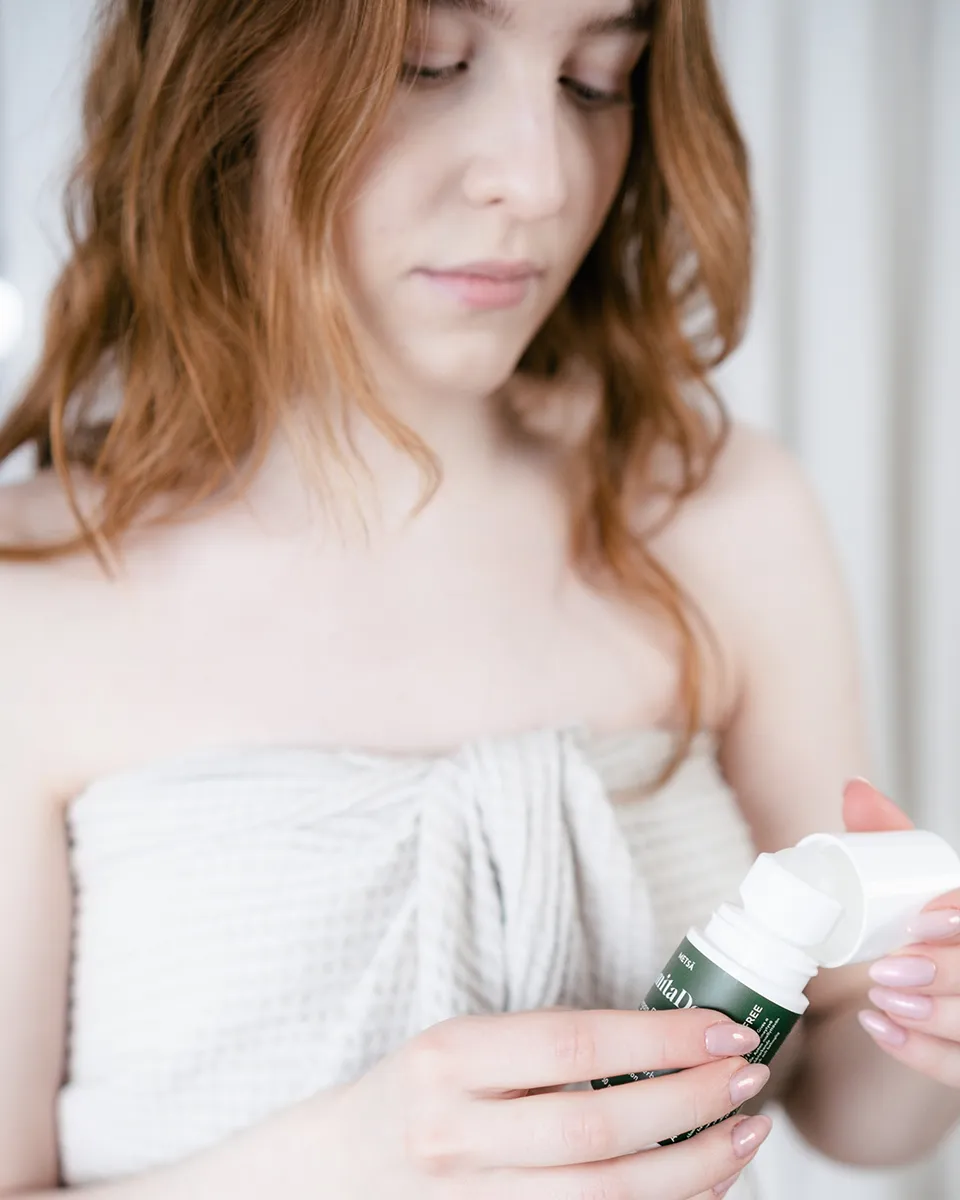
For sensitive underarm skin it is worth choosing gentle, baking-soda-free, aluminium-free and ethanol-free products – exactly such as the internationally award-winning RimitaDeo eco deodorants. Among other gentle ingredients, RimitaDeos contain skin-moisturising cetearyl alcohol – but not a speck of ethyl alcohol, which dries and irritates the skin and can make underarms itch.
Frequently asked questions
Is alcohol in deodorant bad for your skin?
It depends on the alcohol. Ethanol (ethyl alcohol) is strongly drying and can irritate, weaken the skin’s protective layer and cause dryness, redness or itching. Cetearyl alcohol is a fatty alcohol that does not dry the skin.
What is the difference between ethanol and cetearyl alcohol?
Ethanol is a short-chain, volatile liquid; cetearyl alcohol is a long-chain, wax-like fatty alcohol usually made from coconut or palm plants that acts as an emulsifier and thickener and forms a protective film on the skin.
Why does deodorant sting on freshly shaved skin?
Ethanol-based deodorants can dry and irritate the skin, and many people experience redness, itching or stinging when applying them to freshly shaved underarms.
Do RimitaDeo deodorants contain alcohol?
They contain cetearyl alcohol, which is skin-friendly, but no ethyl alcohol (ethanol). They are also baking-soda-free and aluminium-free.
What should sensitive underarms look for in a deodorant?
Gentle, baking-soda-free, aluminium-free and ethanol-free products.